How Businesses Can Protect Against Ransomware Attacks
16 March 2026
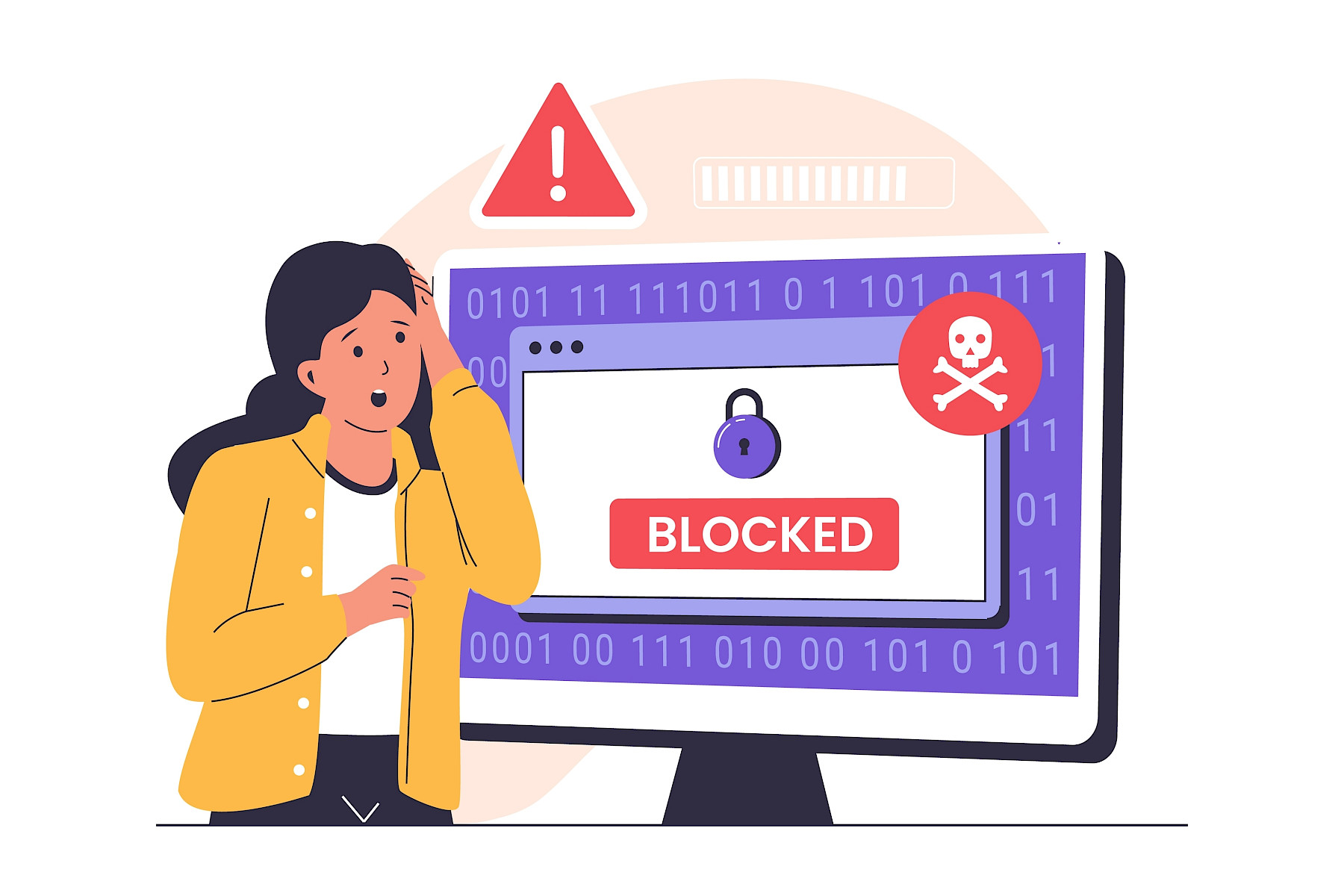
Ransomware has become one of the most serious cybersecurity threats facing businesses today. These attacks can bring operations to a halt within minutes, encrypting critical data and demanding payment in exchange for restoring access.
While large corporations often make the headlines, small and medium-sized businesses are increasingly targeted because attackers assume their security protections may be weaker.
For organisations relying on digital systems, a ransomware attack can mean:
-
Loss of business-critical data
-
Major operational downtime
-
Financial losses and recovery costs
-
Damage to reputation and customer trust
Understanding how ransomware works and how to prevent it is essential for protecting your organisation.
What Is Ransomware?
Ransomware is a type of malicious software designed to block access to systems or data until a ransom is paid.
Once inside a network, attackers may:
-
Encrypt files and databases
-
Disable access to servers
-
Threaten to leak sensitive data
-
Demand payment, often in cryptocurrency
Even if a ransom is paid, there is no guarantee that attackers will restore access or that stolen data will not be released.
How Ransomware Attacks Typically Happen
Most ransomware attacks begin with a simple entry point that allows attackers to access a business network.
Phishing Emails
One of the most common attack methods is phishing. Employees receive emails that appear legitimate but contain malicious links or attachments.
Opening these files can silently install ransomware onto the network.
Unpatched Software
Outdated systems and unpatched vulnerabilities create opportunities for attackers to gain access.
Cybercriminals frequently scan the internet for businesses running outdated software versions.
Weak or Compromised Passwords
Poor password practices make it easier for attackers to access accounts and internal systems.
Once inside, they can move laterally across the network.
Key Steps Businesses Should Take to Prevent Ransomware
Protecting against ransomware requires a combination of technology, security policies, and user awareness.
Implement Regular Data Backups
Secure backups ensure that critical business data can be restored if systems are compromised.
Backups should be stored separately from the main network and tested regularly to ensure they can be recovered successfully.
Keep Systems Updated
Regular patching of operating systems and applications closes vulnerabilities that attackers often exploit.
Automated patch management is one of the most effective ways to reduce risk.
Use Multi-Factor Authentication
Multi-factor authentication adds an additional layer of protection beyond passwords.
Even if login credentials are stolen, attackers cannot access accounts without the second authentication factor.
Provide Cybersecurity Training
Employees are often the first line of defence against cyber threats.
Regular training helps staff recognise phishing emails, suspicious links, and other common attack techniques.
How Maple Helps Businesses Protect Against Ransomware
Preventing ransomware requires more than simply installing antivirus software. It requires a proactive approach to cybersecurity that combines monitoring, secure infrastructure, user awareness, and reliable recovery processes.
Maple works with organisations to strengthen their security posture and reduce the risk of ransomware attacks through a range of preventative and responsive services.
Proactive Monitoring and Threat Detection
Cyber threats often begin with small warning signs that go unnoticed. Maple provides continuous monitoring and proactive maintenance to identify suspicious activity early and address vulnerabilities before they can be exploited.
Secure Backup and Disaster Recovery
Reliable backups are one of the most effective safeguards against ransomware. Maple helps businesses implement and manage secure backup and disaster recovery solutions so that critical data can be restored quickly if systems are compromised.
Patch Management and System Hardening
Keeping systems updated is essential for reducing security risks. Maple supports organisations with structured patch management, vulnerability remediation, and secure configuration of infrastructure and cloud environments.
Identity and Access Security
Weak access controls are a common entry point for attackers. Maple helps businesses implement stronger authentication policies, including multi-factor authentication and effective identity management to reduce the risk of unauthorised access.
Security Awareness and Staff Training
Because many attacks begin with phishing emails, employee awareness is critical. Maple provides cybersecurity training and guidance to help staff recognise suspicious activity and avoid common attack techniques.
Strategic Cybersecurity Planning
Beyond day-to-day protection, Maple also helps organisations develop long-term security strategies. This can include risk assessments, security policy development, and guidance on improving overall cyber resilience.
The Importance of Proactive IT Security
Cyber threats are constantly evolving, making it difficult for businesses to manage security without specialist expertise.
Working with an experienced IT partner ensures that systems are monitored continuously and threats are detected early.
Ransomware attacks can cause significant disruption, financial loss, and reputational damage. However, with the right combination of preventative measures, employee awareness, and proactive IT support from Maple, businesses can dramatically reduce their risk.