
Looking Ahead to 2026: Practical Technology Advice for Financial Firms
2 January 2026
Welcome to 2026.
For financial firms, this is shaping up to be another year of close attention from regulators on cyber security, operational resilience, and how firms govern their systems and data. None of this should be a surprise. Technology now sits behind almost every client interaction, record, and control. When it fails, the impact is immediate.
The FCA has been consistent in its message. Firms are expected to understand their technology risks and take reasonable, proportionate steps to manage them. This is not a call for every firm to become deeply technical. It is a call to get the basics right and to show that someone is paying attention.
Good technology management is not about shiny tools or complex projects. It is about reducing avoidable risk and making day-to-day work more dependable.
What regulators are really looking for
When the FCA talks about technology and resilience, it usually comes back to a few simple questions:
-
Do you know what systems you rely on to run your business?
-
Do you know what could go wrong with them?
-
Have you taken sensible steps to reduce that risk?
-
Can you show that this is reviewed, not forgotten?
Firms often struggle not because they lack tools, but because no one has clear ownership. Policies exist, but they are old. Controls are in place, but no one checks they still work. Small gaps build up quietly over time.
Key areas to focus on in 2026
Cyber security fundamentals
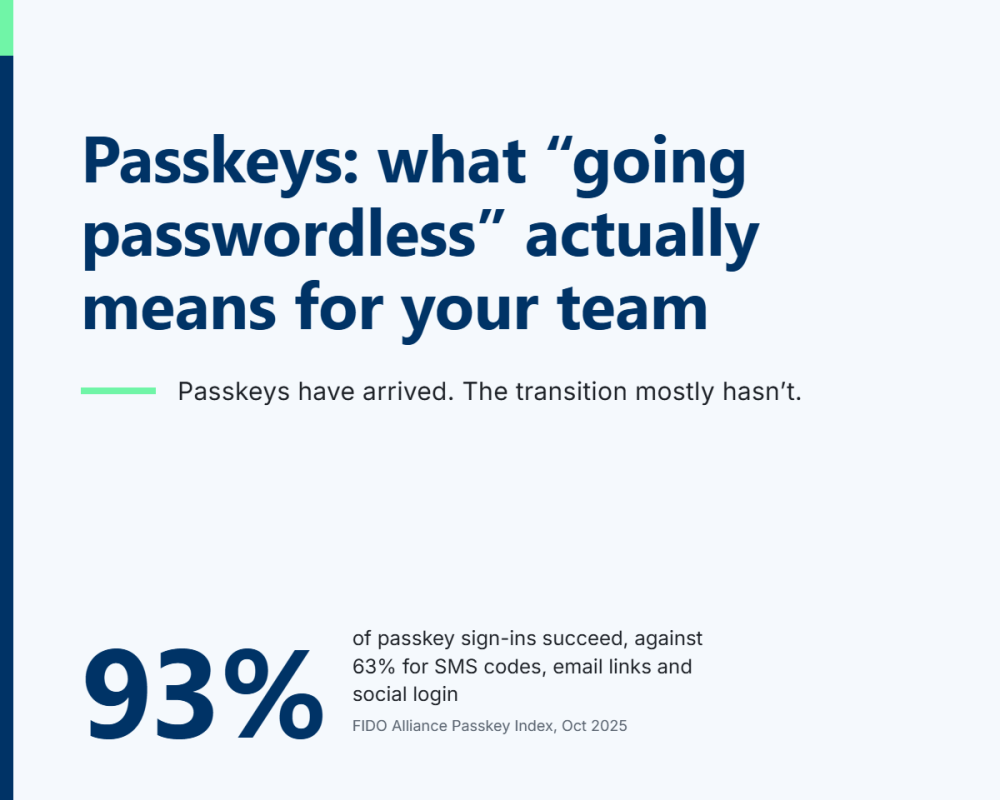
Most incidents still start with very basic failures. Weak passwords. Shared logins. Staff clicking links they should not. The fixes are well known and inexpensive.
Every firm should insist on strong, unique passwords and multi-factor authentication for email, remote access, and any system that holds client data. Staff do not need long training sessions. Short, regular reminders work better. A brief email or a five-minute discussion in a team meeting can prevent real damage.
It is also worth checking who still has access. Former staff accounts, old suppliers, or unused logins are common and unnecessary risks.
Software updates and patching
Out-of-date software remains one of the easiest ways for attackers to get in. Updates are not about new features. They close known holes.
Firms should know which devices and systems they use and who is responsible for keeping them up to date. Updates should be automatic where possible. Where that is not an option, there should be a simple routine for checking and applying them.
This applies just as much to laptops and phones as it does to servers and specialist systems.
Backups and resilience
Backups are often assumed to exist until the day they are needed. Then firms discover they were incomplete, outdated, or unusable.
Backups should run automatically, without staff having to remember. They should be tested from time to time to confirm that data can actually be restored. Copies should be stored securely and separately from the main systems, so a single incident cannot wipe out everything.
It is also sensible to think through basic scenarios. What happens if email is unavailable for a day? What if a key system is down on a busy Monday morning? The aim is not perfection, but preparedness.
People and processes
Technology problems are often people problems in disguise. Clear, simple policies help, but only if staff understand them.
Policies should explain what people are expected to do, not just what they are forbidden from doing. Short reminders beat long documents that no one reads. New starters should be shown the basics early on, and existing staff should get refreshers that respect their time.
Management should also receive regular updates, even if nothing dramatic has happened. A short summary of risks, incidents, and planned actions shows oversight and builds confidence.
Keeping technology in its place
Technology should support compliance and reduce risk. It should not create extra work or confusion. When firms add tools without clear purpose or ownership, they often end up with more risk, not less.
A smaller number of well-understood systems, looked after properly, is usually safer than a complex setup that no one fully understands.
How Maple can help
Maple works with financial services firms that want clear, practical support with their technology. That includes day-to-day IT support, security guidance, and advice that fits the regulatory environment firms operate in.
If you would like help reviewing your technology approach for 2026, or simply want a second opinion on whether your basics are in good shape, our team would be happy to speak with you.