How Hackers Target Small Businesses (And Why You're More Attractive Than You Think)
8 June 2026
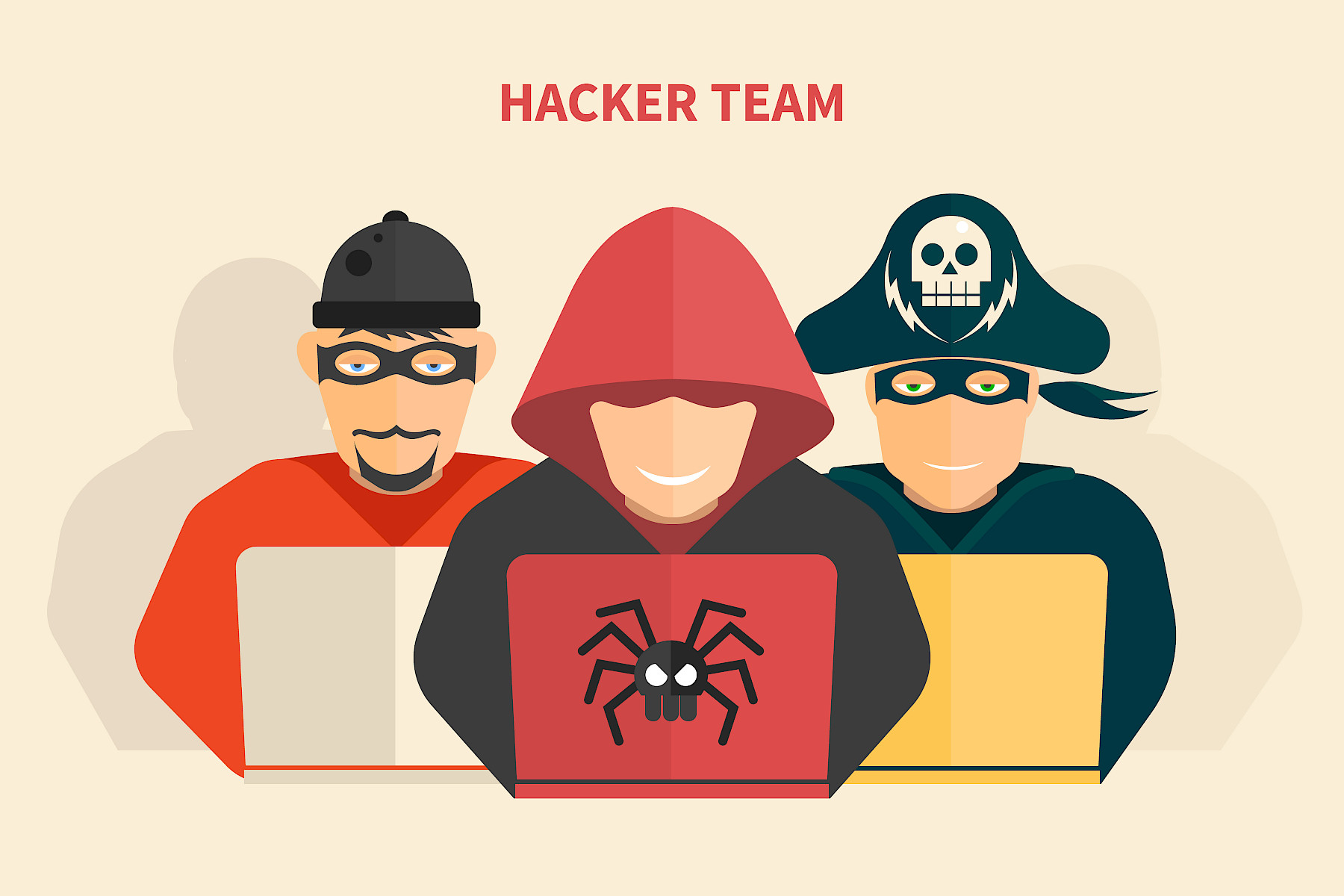
When many business owners think about cyber attacks, they picture large corporations making headlines after a major data breach. The reality is very different.
Small and medium-sized businesses are now among the most common targets for cyber criminals. In many cases, attackers actively seek out smaller organisations because they often have fewer security controls, less internal IT expertise and fewer resources dedicated to cyber security.
At Maple, we regularly speak with businesses that assume they are "too small to be targeted". Unfortunately, that mindset is exactly what attackers are counting on, the truth is that hackers are rarely interested in the size of your business. They are interested in how easy it is to gain access.
Why Small Businesses Are Attractive Targets
Cyber criminals are running businesses of their own. Their goal is to maximise returns while minimising effort.
Large enterprises typically have dedicated security teams, sophisticated monitoring tools and strict compliance requirements. Breaking into those environments can be difficult and time-consuming.
Smaller organisations often have:
- Limited cyber security resources
- Fewer security controls
- Inconsistent staff training
- Older systems and software
- Shared accounts and passwords
- Less frequent security reviews
For attackers, that can make smaller businesses a much easier target.
Many cyber attacks are also automated. Criminals use tools that scan thousands of businesses looking for vulnerabilities, weak passwords or exposed systems. They do not care whether a company has ten employees or ten thousand.
If a weakness exists, they will attempt to exploit it.
Phishing: Still the Most Common Attack Method
Despite advances in technology, phishing remains one of the most effective ways for attackers to gain access to business systems.
A phishing email is designed to convince someone to click a malicious link, open an infected attachment or share sensitive information.
Modern phishing attacks have become increasingly sophisticated.
Attackers can now use artificial intelligence to:
- Write convincing emails
- Mimic legitimate brands
- Replicate writing styles
- Personalise messages using publicly available information
The result is that phishing emails are often difficult to distinguish from genuine communications.
A single click can lead to compromised accounts, stolen data or ransomware infections.
This is why staff awareness remains one of the most important cyber security controls any business can implement.
Credential Theft and Password Reuse
One of the fastest-growing threats facing businesses today is credential theft.
When a website suffers a data breach, usernames and passwords often become available online. Attackers then use automated tools to test those same credentials across Microsoft 365, cloud applications and business systems.
This technique is known as credential stuffing.
The problem becomes much worse when employees reuse passwords across multiple accounts.
If one account is compromised, several others may quickly follow.
Businesses can significantly reduce this risk by:
- Enforcing multi-factor authentication (MFA)
- Using password managers
- Preventing password reuse
- Monitoring unusual login activity
Strong passwords are important, but they are no longer enough on their own.
Ransomware Attacks Continue to Rise
Ransomware remains one of the most damaging cyber threats facing UK businesses.
These attacks typically begin with:
- A phishing email
- A compromised password
- An unpatched vulnerability
- An exposed remote access service
Once attackers gain access, they move through the network, identify critical systems and encrypt data.
Businesses are then presented with a ransom demand in exchange for restoring access.
The impact often extends beyond the ransom itself.
Organisations may face:
- Operational downtime
- Lost productivity
- Recovery costs
- Regulatory reporting requirements
- Reputational damage
For many businesses, the disruption caused by ransomware is significantly more costly than the attack itself.
Unpatched Systems Create Easy Opportunities
Software updates can be frustrating, but they exist for a reason. Many updates contain critical security fixes that address vulnerabilities discovered by software vendors. When updates are delayed or ignored, businesses leave known weaknesses exposed. Attackers actively search for organisations running outdated software because they know exactly how those vulnerabilities can be exploited.
Regular patch management is one of the simplest and most effective ways to reduce cyber risk, yet it remains one of the most commonly overlooked areas of IT management.
Business Email Compromise
Not every cyber attack involves malware. Business Email Compromise (BEC) attacks focus on impersonation and fraud. An attacker may gain access to a legitimate mailbox and monitor communications for weeks before taking action.
They then impersonate a senior employee, supplier or client and request:
- Invoice payments
- Bank detail changes
- Sensitive information
- Confidential documents
Because the request appears genuine, employees may not question it. These attacks can result in significant financial losses and often bypass traditional security controls. Verification processes and staff awareness are essential defences.
How Maple Helps Businesses Reduce Risk
Cyber security is not about creating complexity. It is about reducing opportunities for attackers. At Maple, we help businesses strengthen their security through a practical and proactive approach.
This includes:
- Multi-factor authentication deployment
- Endpoint protection and monitoring
- Security awareness training
- Microsoft 365 security reviews
- Patch management
- Backup and disaster recovery planning
- Ongoing monitoring and threat detection
Our goal is to identify risks before attackers do.
The Cost of Waiting
One of the most common things we hear after a security incident is: "We didn't think it would happen to us."
Unfortunately, cyber criminals are not selective in the way many business owners imagine. Automated attacks are happening constantly, and every connected organisation is a potential target. The good news is that most successful attacks exploit known weaknesses that can be addressed with the right processes, technology and support. A proactive approach is always more effective and less expensive than dealing with the aftermath of a breach.
Maple's Thoughts
Small businesses are not being targeted because they are valuable. They are being targeted because they are often vulnerable. Understanding how hackers operate is the first step towards reducing risk. By strengthening passwords, enabling multi-factor authentication, keeping systems updated and improving staff awareness, businesses can significantly reduce their exposure to common attacks.
If you are unsure how well protected your organisation is, Maple can help. We work with businesses across London to improve security, strengthen resilience and provide proactive IT support that keeps cyber risks under control. Because when it comes to cyber security, prevention is always better than recovery.